
It’s mid-April. In Poland, spring is only just getting underway, whilst in Thailand temperatures reach 38–40 degrees – this is the hottest time of the year, the so-called peak of the dry season. And it is precisely when the heat is at its most intense that the whole country erupts into a three-day festival which, […]
It’s mid-April. In Poland, spring is only just getting underway, whilst in Thailand temperatures reach 38–40 degrees – this is the hottest time of the year, the so-called peak of the dry season. And it is precisely when the heat is at its most intense that the whole country erupts into a three-day festival which, for many foreigners, has become synonymous with Thailand itself: Songkran.
What exactly is Songkran?
Songkran is the traditional Thai New Year, celebrated according to the ancient solar-Buddhist calendar, in which 13–15 April marks the moment the Sun enters the sign of Aries. The name ‘Songkran’ comes from Sanskrit and literally means ‘passage’ or ‘movement’ – in this case, the transition into a new cycle of the year. This festival is much older than its most recognisable feature, namely the water fights in the streets – these have evolved over time from a simple religious gesture into something that today attracts millions of tourists from all over the world.
Three days, three different moods
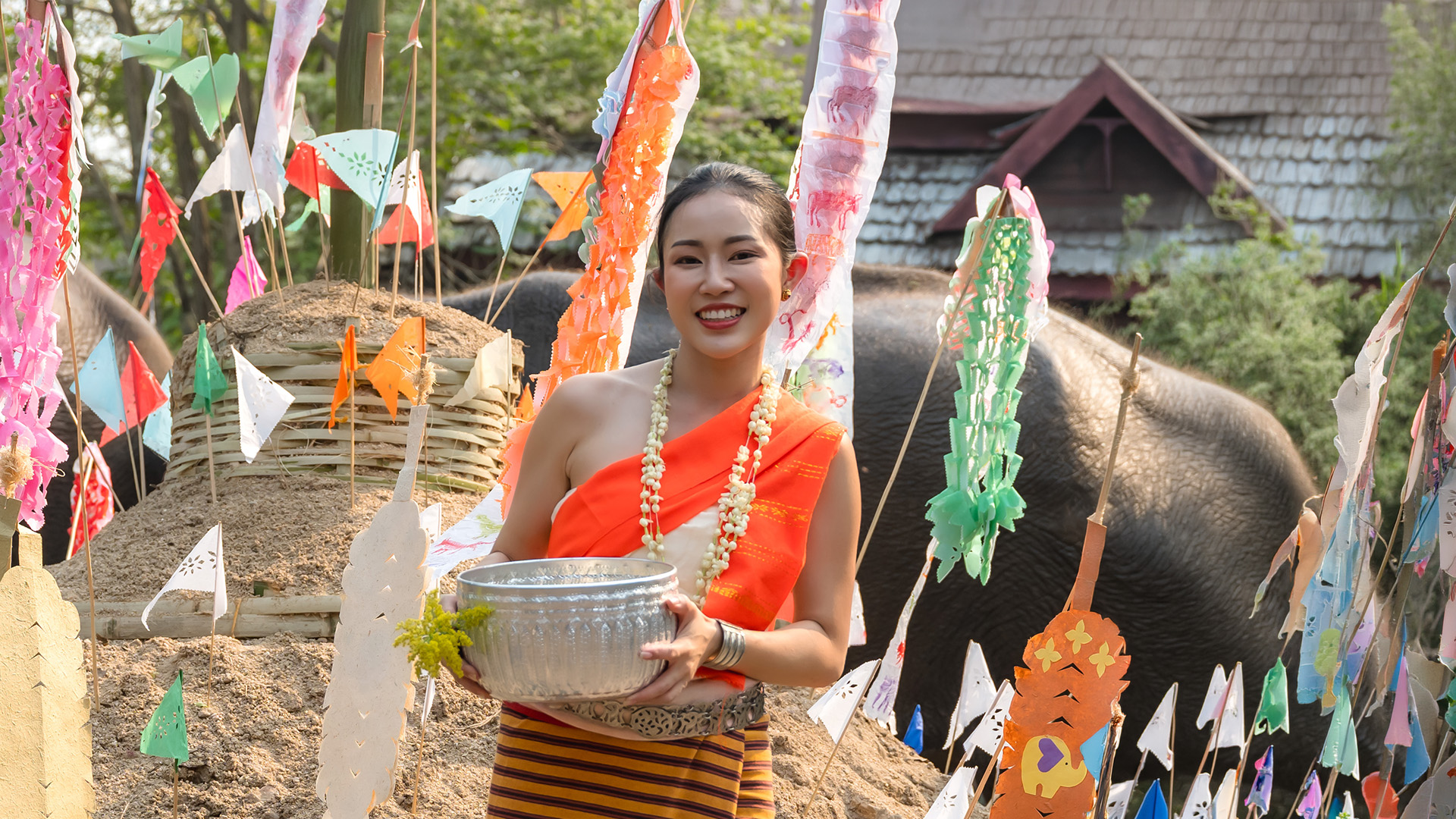
The first day, Wan Sangkhan Long, is a day of cleaning – traditionally, people tidy their homes, removing the old, symbolically preparing the space for the new year. The second day, Wan Nao, is a transitional day, in some regions devoted to preparing sand for the construction of small pagodas in temples – an ancient custom of ‘returning’ to the temple what had been taken from it over the year, along with the mud on people’s shoes. The third day, Wan Payawan, is the actual New Year – a day for visiting the temple, washing the Buddha statues with water scented with flower petals and, most importantly from a social perspective, paying respects to the elder members of the family.
It is this third day that holds the most moving, though rarely shown to tourists, element of the festival: the ‘rod nam dam hua’ ritual. Younger family members pour fragrant water over the hands of their parents and grandparents, asking for forgiveness for any wrongdoings from the past year and for a blessing for the year ahead. It is a moment of silence and respect, the complete opposite of what is happening on the streets at the same time.
A water fight where nobody loses
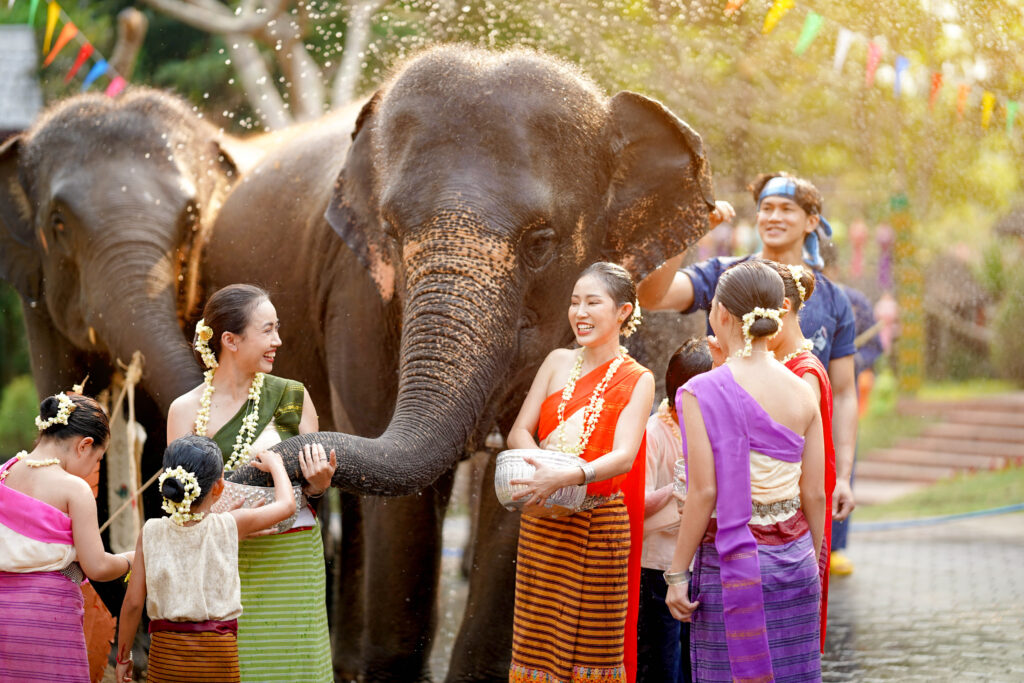
Modern-day Songkran is, above all, a spectacular, nationwide game of dousing one another with water – from buckets, garden hoses and, most commonly, plastic water pistols bought in bulk from street stalls a week before the festival. Cooling talcum powder or natural dyes are often added to the water, creating the characteristic, slightly musty smell that hangs over the cities during these days.
Bangkok, and in particular Khao San Road and the Silom area, is transformed into a giant party zone, where tourists and locals drive around in pick-up trucks fitted with huge water tanks, dousing passers-by. However, many locals and experts on Thai culture point out that the most authentic and spectacular Songkran experience can be found in Chiang Mai – there, the moat surrounding the old town becomes an inexhaustible source of water, and whole families line up along the defensive walls to celebrate together for several days.
A side of the festival that is rarely discussed
Beyond its tourist appeal, Songkran has enormous social significance – it is a time of mass returns to family homes in the provinces. Every year during this period, literally several million people leave Bangkok; the motorways are gridlocked, and trains and buses are fully booked months in advance. In spirit, it resembles the Polish tradition of returning home for Christmas – with the difference that the temperature outside is tropical rather than below freezing.
Practical tips for travellers
Anyone planning a trip to Thailand during Songkran should be prepared for the fact that almost no one stands a chance of staying dry – even outside the main party zones, local youngsters will douse passing cars and tourists wherever they are. It’s worth getting waterproof covers for your phone and documents, wearing clothes that dry quickly, and – if you’re planning to visit temples – remembering that water play is inappropriate on their grounds, as this is still a time for religious reflection, not just a public fiesta.
For those representing institutions such as consulates, Songkran is also a good opportunity to issue New Year’s greetings to the Thai community and to Poles planning a visit during this period – it is a time when an appreciation of Thai culture and an understanding of its context are particularly noticed and valued.