
In the West, Muay Thai is often viewed solely as a combat sport, popular today in MMA clubs around the world. In Thailand, it is much more than that a living part of the national heritage, steeped in religious ritual and a history dating back to a time when the ability to fight unarmed was […]
August 11, 2026
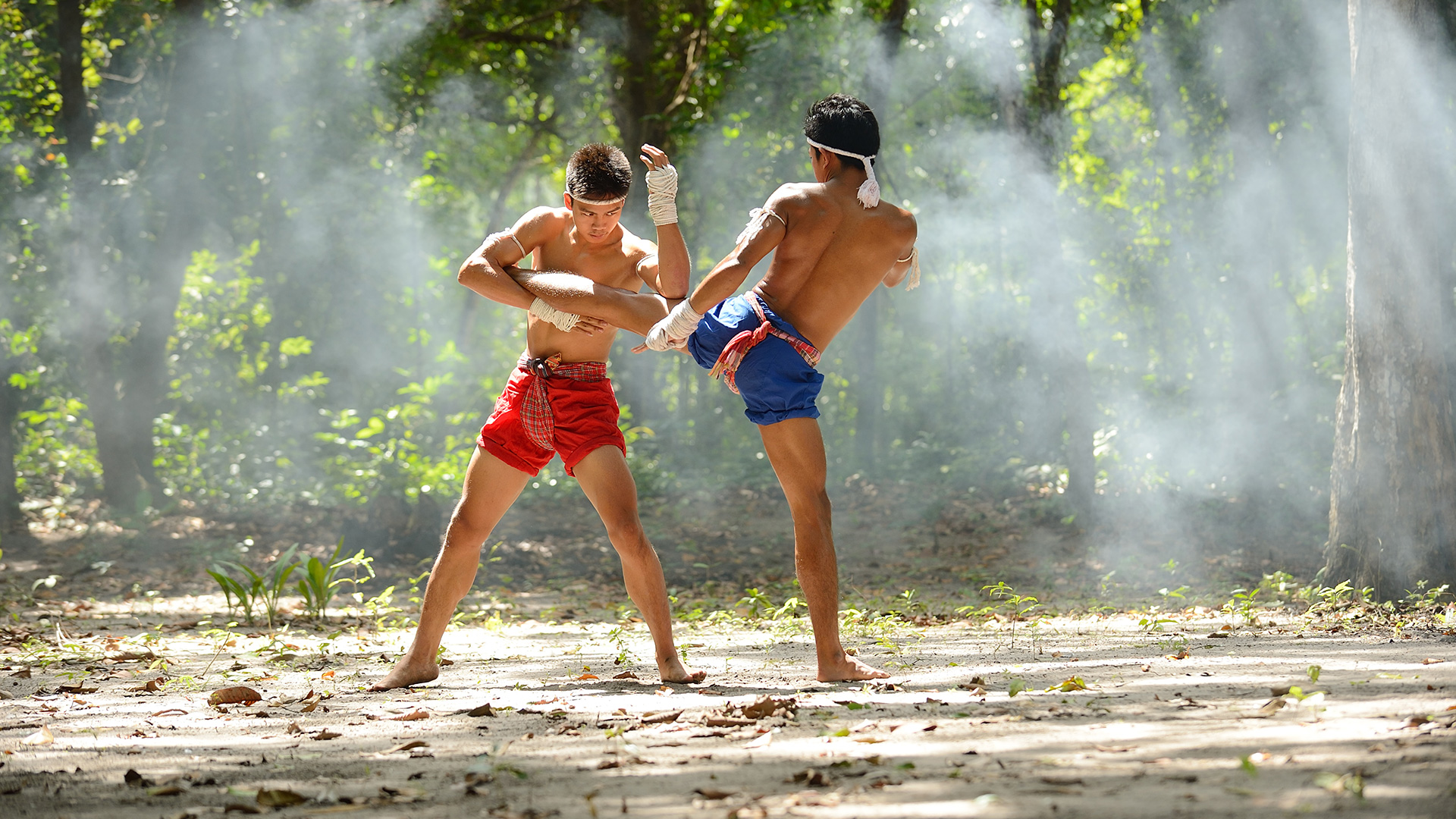
In the West, Muay Thai is often viewed solely as a combat sport, popular today in MMA clubs around the world. In Thailand, it is much more than that a living part of the national heritage, steeped in religious ritual and a history dating back to a time when the ability to fight unarmed was crucial to survival on the battlefield.
The Art of Eight Limbs
The name “the art of eight limbs” refers to the eight “points of contact” a fighter can use: two fists, two elbows, two knees, and two feet. This makes Muay Thai one of the most versatile combat disciplines, unlike Western boxing, where only fists are permitted, here the entire body becomes a weapon, requiring years of training to master the techniques safely and effectively.
Roots Traced Back to the Battlefield
Martial arts historians link the development of Muay Thai to centuries-old military conflicts in what is now Thailand, during a time when soldiers of the Ayutthaya Kingdom had to be prepared to fight unarmed if their weapons were lost in battle. Thai tradition attributes special significance to the figure of Nai Khanom Tom a soldier who, according to folklore, while held captive in Burma in the 18th century, defeated several Burmese boxers in a duel, which convinced the Burmese king to release him. The date of this event, March 17, is celebrated to this day as National Muay Thai Day a holiday reminding us that this discipline is not just a sport, but part of the narrative of Thai identity and resilience.
Wai Khru – the pre-fight prayer
Every professional Muay Thai fight begins with the wai khru ram muay ritual a prayer dance during which the fighter circles the ring to the rhythm of live music played on traditional instruments (sala wa, klong khaek, ching), paying homage to his coach, ancestors, and the guardian spirits of the sport. Each training camp has its own distinctive style of this dance, often passed down from generation to generation, and experienced fans can identify which camp a fighter comes from based solely on the sequence of movements in the wai khru.
From the Stadium to Global Pop Culture
Contemporary Muay Thai operates on two levels – as a traditional spectator sport, whose most important arenas, Lumpinee Stadium and Rajadamnern in Bangkok, attract thousands of local fans and gamblers, and as a global phenomenon in fitness and combat sports, exported to MMA clubs around the world. Many Western UFC and K-1 fighters have trained or continue to train in Muay Thai techniques as the foundation of their fighting style.
Training tourism
Over the past two decades, Thailand has become a global hub for so-called “training tourism” Muay Thai camps in Phuket, Chiang Mai, and Pattaya welcome thousands of foreigners each year, offering programs ranging from one-time trial sessions to training stays lasting several months, combined with an athlete’s diet and lifestyle. This is a popular form of “active vacation,” combining tourism with an authentic immersion in the local sports culture however, it’s worth choosing camps with a good reputation and experienced trainers, especially for beginners.